15 Practical Ways to Reduce Stress Fast (Anywhere)
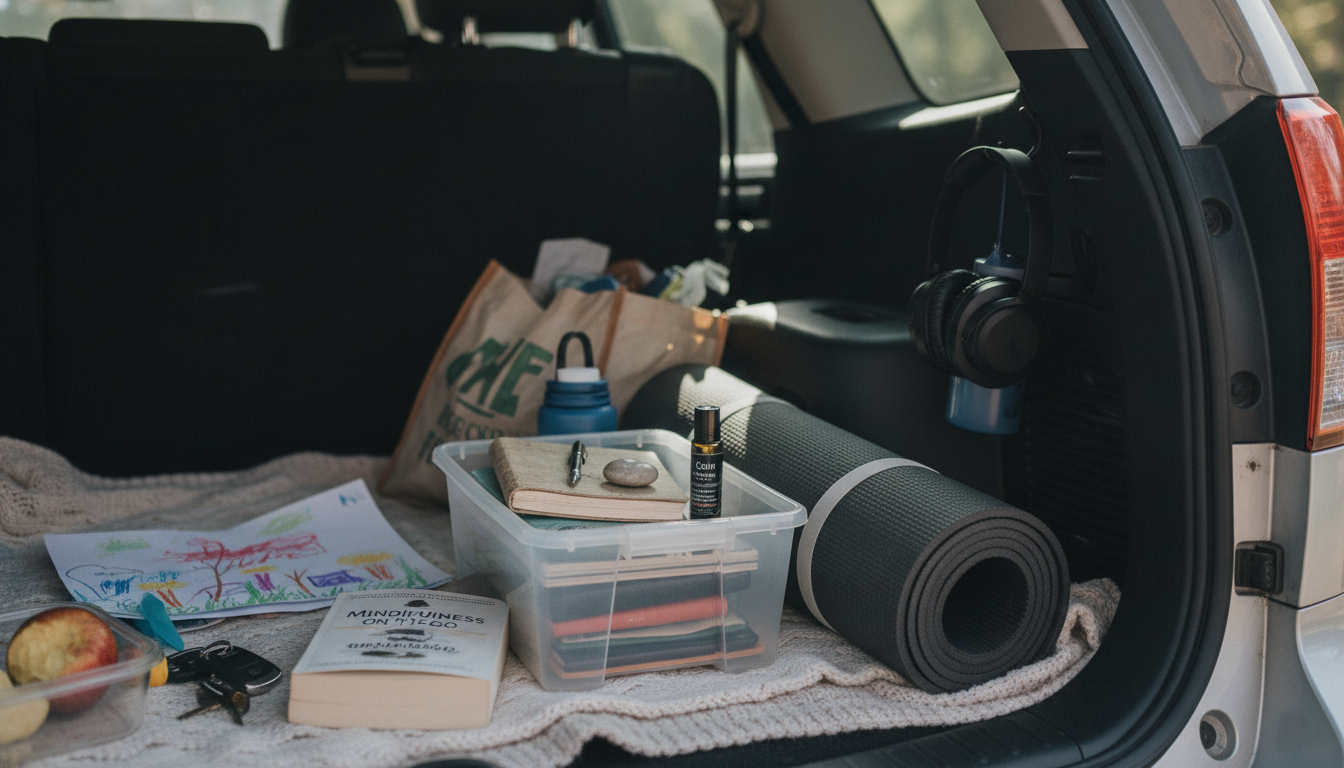
What are 15 ways to reduce stress?
Stress relief works best when it’s practical, repeatable, and easy to do in real life. Here are 15 reliable ways to reduce stress—mix a few quick “right now” tools with habits that lower your baseline over time.
1) Use a fast breathing reset
Try slow, steady breaths with a longer exhale to signal safety to your nervous system.
2) Do a quick grounding check
Name 5 things you can see, 4 you can feel, 3 you can hear, 2 you can smell, and 1 you can taste.
3) Release tension with a body scan
Move attention from head to toes and unclench your jaw, shoulders, and hands.
4) Take a brisk 10-minute walk
Light movement helps burn off stress hormones and clears mental fog.
5) Get sunlight early in the day
Natural light supports circadian rhythm, which can improve mood and sleep.
6) Hydrate and eat something balanced
Low blood sugar and dehydration can amplify irritability and anxious sensations.
7) Cut one small task
Reduce overload by deleting, delegating, or delaying one nonessential item today.
8) Use a “next right step” list
Write only 1–3 actions you can complete, not everything you wish you could do.
9) Do a 2-minute tidy
Clearing one surface can lower visual stress and create a sense of control.
10) Limit caffeine after late morning
Caffeine can mimic anxiety symptoms and disrupt sleep, compounding stress.
11) Take a news/social media pause
Set a timer and step away from scrolling to reduce mental stimulation.
12) Try progressive muscle relaxation
Tense and release muscle groups to help your body learn the difference between tight and calm.
13) Connect with someone safe
A short call or text with a supportive person can quickly reduce stress intensity.
14) Make sleep easier tonight
Dim lights, lower the room temperature, and keep bedtime consistent when possible.
15) Practice a calming routine you can repeat
For a simple, step-by-step approach, follow this guide: fast stress relief breathing and grounding techniques.
FAQ
What are quick stress relievers you can do anywhere?
Slow your breathing for 60 seconds, do the 5-4-3-2-1 grounding exercise, and relax your shoulders and jaw. These tools reduce stress fast because they shift attention and calm the body’s alarm response.









Leave a comment