Reduce Stress Immediately: 5 Quick Calm-Down Methods

How to reduce stress immediately?
When stress spikes, the fastest relief usually comes from calming your nervous system on purpose—right where you are. Start with a 60–90 second reset: sit or stand with your feet grounded, drop your shoulders, and slowly inhale through your nose for a count of 4, hold for 1, then exhale for a count of 6. Repeat 5–8 cycles. A longer exhale signals safety to your body and can quickly lower the “alarm” feeling.
Try a quick grounding drill (30–60 seconds)
Shift attention away from racing thoughts by naming sensations around you. Look for 5 things you can see, 4 things you can feel (fabric, chair, floor), 3 things you can hear, 2 things you can smell, and 1 thing you can taste. Say them quietly or in your head. This interrupts the stress loop and gives your brain a concrete task.
Release muscle tension fast
Stress often hides in the jaw, neck, and hands. Unclench your jaw, press your tongue to the roof of your mouth, and drop your shoulders down and back. Then make tight fists for 5 seconds and release for 10 seconds. Do this twice. The contrast helps your body recognize what “relaxed” feels like again.
Use cold water to “reset” your body
If you can, splash cool water on your face or hold something cold (like a chilled bottle) to your cheeks for 20–30 seconds. The cool sensation can reduce intensity quickly and make breathing feel easier.
Make the next step tiny and specific
Pick one immediate action you can finish in under two minutes: send a short reply, put one item away, write one sentence, or step outside for ten breaths. Completing a small task can restore a sense of control.
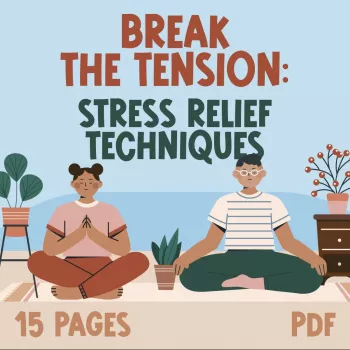
For a step-by-step set of fast calming techniques (breathing patterns, grounding, and other quick resets), visit this fast stress relief guide.
FAQ
What are some long-term habits that help prevent stress spikes?
Consistent sleep, daily movement, regular meals, and a short wind-down routine (dim lights, fewer screens, slow breathing) make stress less likely to surge. Building in small breaks during the day also keeps your baseline calmer.










Leave a comment