How to Read Cat Body Language: Tail, Ears, Eyes
How to tell cat body language?
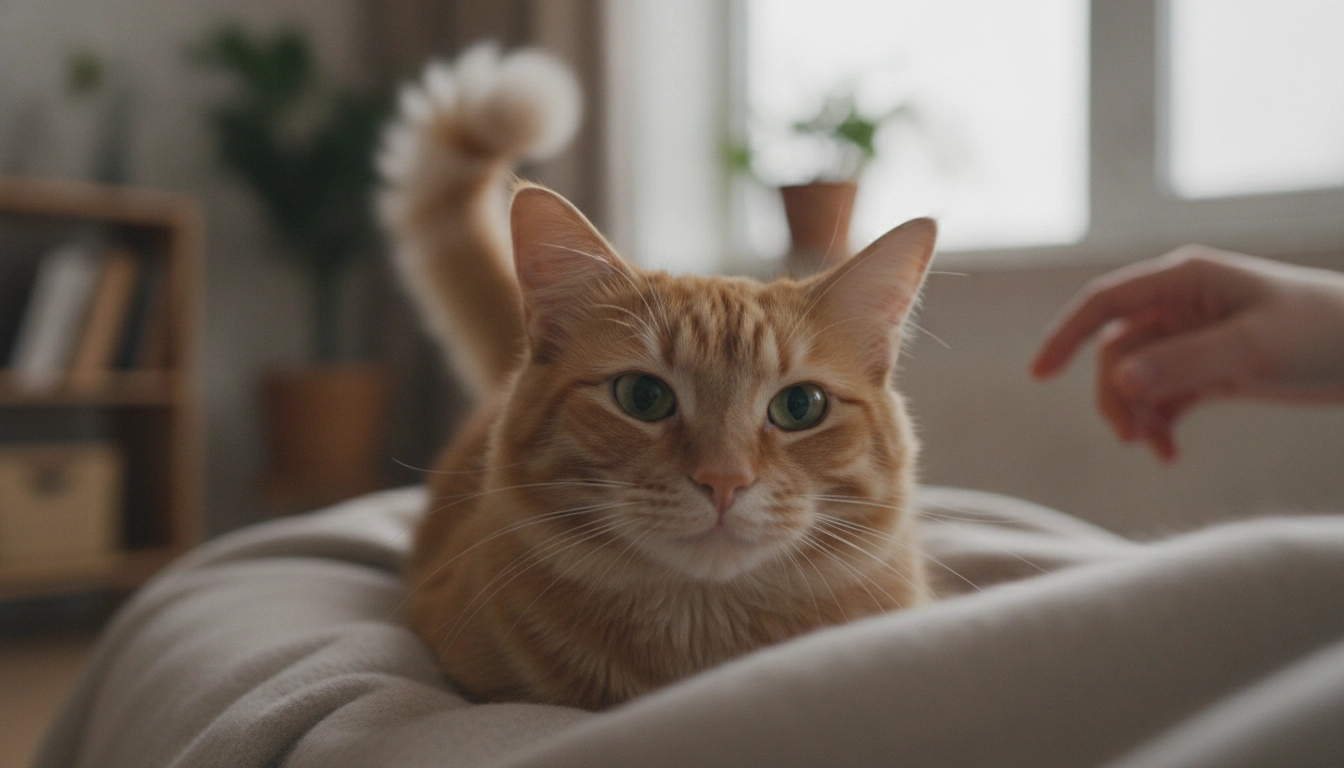
To tell cat body language, look at the whole “signal stack” at once: tail, ears, eyes, whiskers, posture, and the distance your cat chooses to keep. One sign alone can mislead, but several together usually tell a clear story.
Start with the tail
A tail held upright with a soft curl at the tip often signals a friendly, confident mood. A low tail or tucked tail can mean fear or uncertainty. A tail that swishes or thumps—especially with a tense body—commonly shows agitation or overstimulation, so it’s a good moment to pause petting and give space.
Check the ears and eyes
Ears forward usually indicate interest or relaxed attention. Ears turned sideways (“airplane ears”) can mean your cat is uncomfortable or monitoring something. Ears pinned back tightly are a stronger warning sign.
For eyes, slow blinks and softly narrowed eyes suggest comfort. Wide eyes with dilated pupils can happen during play or excitement, but paired with a stiff posture it may indicate fear. If your cat freezes, crouches, and stares with big pupils, avoid reaching in and let them reset.
Read posture and whiskers
A relaxed cat tends to have loose muscles, a neutral stance, and may flop to one side. A tense cat often looks “compressed”: crouched low, leaning away, or ready to bolt. Whiskers pushed forward can show curiosity or hunting focus; whiskers pulled back against the face often show stress or defensiveness.
Notice thresholds during touch
Many cats enjoy petting until their tolerance runs out. Early “too much” signs include skin rippling, a twitching tail, sudden head turns, or a stiffening back. Stopping before the bite or swat helps your cat learn that communication works without escalation.
For a quick, printable breakdown of common signals (including sounds), see the full guide here: cat body language cheat sheet and signals.
FAQ
What does it mean when a cat slow blinks at you?
Slow blinking usually signals comfort and trust. Many cats use it as a friendly, calming gesture, and you can slowly blink back to communicate the same mood.











Leave a comment