NIR Red Light Therapy Wristbands: Buyer Guide & Safety

Near-Infrared Red Light Therapy Wristband for Pain Relief & Recovery: What to Know Before Buying
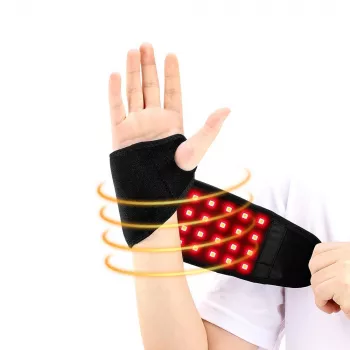
A near-infrared light therapy wristband is designed to deliver targeted photobiomodulation to the wrist and surrounding tissues—often used to support comfort, reduce stiffness, and aid recovery after repetitive strain or workouts. Understanding wavelengths, power, fit, and safe routines helps set realistic expectations and choose a device that matches daily needs.
How near-infrared light therapy wristbands work
Near-infrared (NIR) and red light are used in photobiomodulation to deliver light energy to tissue. NIR generally penetrates deeper than visible red light, while red light is often used for more superficial tissues. Wristband designs concentrate the dose over a small area—helpful for wrists because joints, tendons, and small supporting tissues are close to the surface, yet some irritation can extend deeper into the forearm.
The light is absorbed by cellular components (commonly discussed in relation to mitochondria), which may influence cellular signaling linked with circulation, inflammation response, and tissue repair processes. Because dosing matters, wristbands are typically used for short, repeatable sessions rather than long continuous wear.
Expectations should be practical: some people feel looser or less stiff after use, while others notice changes only after consistent routines over days to weeks. Results vary, and no device can guarantee relief—especially if aggravating activities or underlying issues aren’t addressed.
Quick comparison: red vs near-infrared light in wristband use
| Light type | Typical wavelength range | Common focus areas | Practical notes for wristbands |
|---|---|---|---|
| Red light | ~620–700 nm | Skin-level tissues, superficial aches, circulation support | Often paired with NIR; may feel gentler and is easier to see |
| Near-infrared (NIR) | ~780–900+ nm | Deeper tissues around joints/tendons | Invisible light; device quality and dose control matter |
Who may benefit most (and when to be cautious)
Wrist light therapy is commonly used for discomfort tied to repetitive or load-heavy patterns: long typing/mousing sessions, lifting and grip work, racquet sports, instrument practice, and hands-on jobs. Some people also use it after workouts for general recovery support or during flare-ups when stiffness makes daily tasks irritating.
It tends to work best as part of a broader plan: short rest breaks, activity modification, mobility work, and gradual strengthening/rehab. Ergonomic changes (keyboard height, mouse position, wrist support habits, grip technique) can reduce the “constant trigger” that prevents progress.
Caution and medical guidance are recommended for pregnancy (depending on where and how it’s used), active cancer or suspicious lesions near the treatment area, photosensitivity disorders, or use of photosensitizing medications. Also seek clinical evaluation if symptoms include numbness/tingling, weakness, persistent swelling, deformity, fever, or pain after trauma—these can point to conditions that need diagnosis beyond home devices.
For general background and safety considerations, see reputable overviews such as the Cleveland Clinic’s red light therapy guide and Harvard Health Publishing. For research browsing, PubMed is a useful database to explore photobiomodulation studies.
How to choose a near-infrared light therapy wristband
Specs and usability matter more than flashy claims. A good wristband makes it easy to deliver a consistent dose, at a consistent location, without irritating the skin.
Key buying factors
Buyer checklist for wristband-style light therapy
| What to check | Why it matters | What to look for |
|---|---|---|
| Wavelengths listed | Determines depth and target tissues | Specific nm values (not just “infrared”) |
| Timer/presets | Supports repeatable routines | 10–20 min presets; auto shutoff |
| Coverage area | Ensures the painful area is treated | Dimensions + photos of LED placement |
| Comfort/fit | Improves adherence and consistent positioning | Adjustable strap, soft lining |
| Charging/power | Convenience and reliability | USB charging, battery indicator |
| Safety info | Reduces misuse risk | Contraindications, skin guidance, cleaning instructions |
Simple routine for pain relief and recovery support
Example schedule (adjust for comfort and clinician guidance)
| Week | Session length | Frequency | Notes |
|---|---|---|---|
| 1 | 5–10 minutes | 5–7 days/week | Check skin comfort; avoid overdoing it early |
| 2 | 10–15 minutes | 5–7 days/week | Stay consistent; reassess activity triggers |
| 3–4 | 10–20 minutes | 4–7 days/week | Maintain or taper based on response |
Safety and practical tips for wrist use
| Do | Avoid |
|---|---|
| Use a timer and keep sessions consistent | Extending sessions aggressively to “speed up” results |
| Monitor skin comfort and warmth | Using on irritated skin without guidance |
| Combine with ergonomic and rehab basics | Ignoring worsening numbness, weakness, or swelling |
What results can look like over time
FAQ
How long should a near-infrared light therapy wristband session be?
Many people use sessions in the 5–20 minute range, depending on the device and comfort. Start shorter (5–10 minutes) and increase gradually if your skin stays comfortable and the manufacturer’s guidance supports it.
Can a light therapy wristband help with tendon or repetitive strain discomfort?
It may support comfort and recovery when combined with rest breaks, ergonomics, and a gradual rehab/strength plan. If symptoms include numbness, weakness, or persistent swelling, a clinician evaluation is important.
Is near-infrared light therapy safe to use every day?
When used as directed, it’s generally discussed as low-risk for many people, but daily use still requires monitoring for irritation or overheating. Use extra caution with photosensitizing medications, suspicious lesions near the area, and pregnancy-related considerations.










Leave a comment