Does Aromatherapy Work? Benefits, Evidence, and Safety
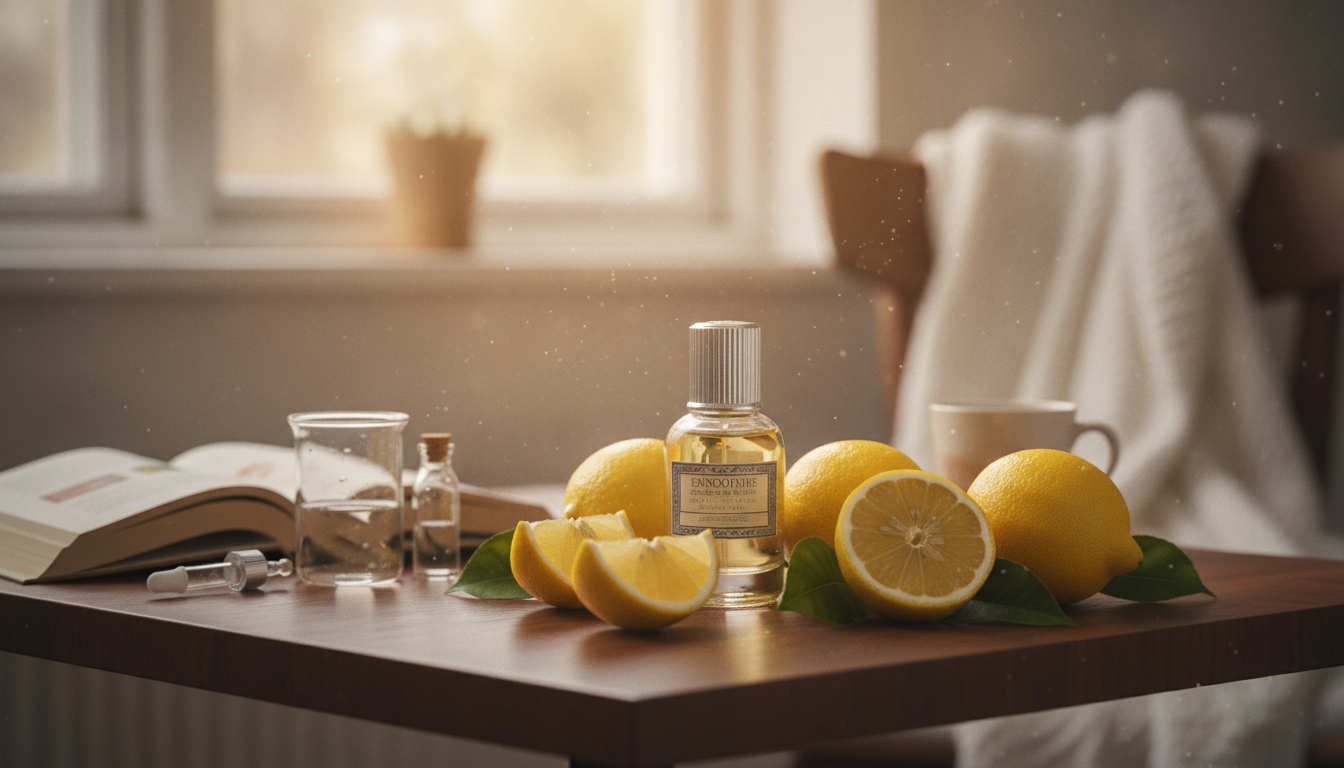
The Scent of Science: Does Aromatherapy Really Work?
Aromatherapy sits at the intersection of tradition, sensory biology, and modern wellness. Some people report calmer moods, better sleep, or easier breathing after using essential oils, while others notice little change. The most useful question is not whether aromatherapy is “real,” but when it can help, how strong the evidence is for specific outcomes, and how to use essential oils safely and effectively.
What aromatherapy is (and what it isn’t)
Aromatherapy typically refers to using volatile plant compounds—essential oils—for potential effects on mood, comfort, and perceived well-being, most commonly through inhalation. Essential oils are concentrated mixtures of naturally occurring chemicals such as terpenes and phenylpropanoids, and their composition can vary widely based on plant species, growing conditions, harvest timing, and extraction method.
It’s important to separate three concepts that often get blended together: (1) a pleasant fragrance, (2) relaxation rituals (a warm bath, a massage, slow breathing), and (3) specific biologic effects from individual oil constituents. Aromatherapy can support a calming routine, but it is not a substitute for medical treatment of infections, asthma, depression, or chronic pain. If symptoms are persistent, severe, or worsening, essential oils should stay in the “complementary support” lane—not the “primary treatment” lane.
Common aromatherapy methods and what they can realistically influence
| Method | How it’s used | Best-supported outcomes | Main cautions |
|---|---|---|---|
| Inhalation (diffuser, inhaler, scented tissue) | Aroma molecules are breathed in for short sessions | Stress and anxiety reduction in some contexts; transient mood changes | Asthma/COPD triggers; headaches; pets and children may be more sensitive |
| Topical (diluted in carrier oil) | Applied to skin; sometimes paired with massage | Localized comfort; relaxation from massage plus scent | Skin irritation/allergy; phototoxicity with some citrus oils |
| Bath/shower | Scent exposure plus warm water ritual | Relaxation and perceived stress relief | Oil does not mix with water; needs proper dispersant; slip hazard |
| Oral ingestion | Taken by mouth (capsules/drops) | Evidence varies by specific standardized preparations, not general oils | Not recommended without clinical guidance; toxicity and drug interactions |
How scent influences the brain and body
Smell has unusually direct access to the brain systems that shape emotion, memory, and threat detection. Olfactory signals reach regions involved in “how safe do I feel?” and “what does this remind me of?” quickly, which helps explain why a scent can shift perceived calm or alertness within minutes.
Conditioning and expectation are not side notes—they’re central. If lavender is reliably paired with a nightly wind-down, the brain can start treating that aroma as a cue that sleep is coming. In that way, aromatherapy can become a practical behavioral tool: a sensory trigger that reinforces routines that already work.
At the same time, some essential-oil constituents may have measurable biologic activity in certain settings (for example, mild sedative effects reported in some lavender studies). But effects depend on dose, delivery route, duration, and individual sensitivity. “It helps me relax” can be true even when the main driver is ritual plus learned association rather than a strong pharmacologic effect.
What research says about benefits
Stress and anxiety
Across many studies, aromatherapy shows small-to-moderate short-term improvements in self-reported stress or anxiety, especially in clinical environments (such as pre-procedure waiting areas or hospital rooms). Study quality varies, and blinding is challenging when people can obviously smell the intervention, but the overall pattern suggests that some people do experience a meaningful downshift in tension.
Sleep
Lavender and some blended oils have been linked to improved subjective sleep quality, particularly when aromatherapy is part of a consistent bedtime routine. The strongest support tends to be for “how sleep feels” (sleep quality, ease of falling asleep) rather than large, objective changes in sleep architecture.
Pain and nausea
Results are mixed. Some people report less discomfort or nausea, but benefits may reflect a combination of distraction, relaxation, and (for topical use) the effects of massage. That doesn’t make the experience “fake,” but it does mean aromatherapy is best viewed as comfort support rather than a stand-alone analgesic strategy.
Cognitive performance and energy
Stimulating scents such as peppermint or rosemary are sometimes associated with feeling more alert. Findings are inconsistent and sensitive to context—time of day, baseline fatigue, and personal preference can all influence whether a scent feels “energizing” or overwhelming.
Respiratory comfort
Some oils can create a sensation of easier breathing (for example, a cooling or “open airway” feel). That sensation doesn’t equal treatment of infection or inflammation, and certain aromas can irritate sensitive airways. For people with asthma, allergic rhinitis, or fragrance sensitivity, diffusion may worsen symptoms rather than help.
Why results can look inconsistent
Aromatherapy research can look messy because real-world aromatherapy is messy. “Lavender oil” isn’t always the same product: chemotypes and chemical profiles differ, and adulteration or oxidation can change both effects and irritation risk. Delivery matters too—brief diffusion isn’t comparable to extended exposure, topical use, or standardized clinical preparations.
Safety essentials for essential oils
For additional guidance, see authoritative overviews from NCCIH and MedlinePlus. For pet safety concerns, consult ASPCA Animal Poison Control.
How to choose essential oils and aromatherapy resources
Building a practical routine that respects the science
FAQ
Does aromatherapy work or is it just placebo?
Expectation and conditioning can contribute a lot, but research also suggests modest short-term benefits for anxiety and sleep in some settings. Results vary by oil, method, and the individual.
Which essential oils are best supported for relaxation and sleep?
Lavender and bergamot are among the most commonly studied for relaxation-related outcomes, especially when paired with a consistent bedtime routine. Evidence is strongest for subjective improvements like perceived calm and sleep quality.
Is it safe to diffuse essential oils around kids or pets?
Extra caution is warranted: use good ventilation, keep sessions short, avoid direct exposure, and store oils securely. Because children and animals can be more sensitive, consult pediatric or veterinary guidance for specific situations.











Leave a comment