Cowhide Bucket Tote for Women: Capacity & Comfort Guide

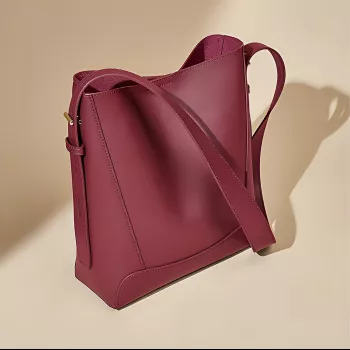
Women’s Cowhide Leather Shoulder Bucket Bag – Large Capacity Tote
A cowhide leather shoulder bucket bag with tote-level capacity balances structure, softness, and everyday practicality. The best fit comes down to leather quality, strap comfort, closure security, interior organization, and how well the bag holds up to daily carry—from commutes to weekends to travel days.
What Defines a Leather Bucket Tote
A bucket tote blends the open, easy-loading shape of a bucket bag with the carry capacity people expect from a tote. The silhouette typically features a roomy main compartment and a rounded or slightly tapered base that makes it simple to drop in larger items without awkward angles.
- Bucket silhouette: roomy main compartment with a rounded or slightly tapered base for easy loading.
- Tote-style capacity: designed to carry daily essentials plus bulkier items without feeling overstuffed.
- Shoulder carry focus: longer strap drop intended for comfortable wear over coats and sweaters.
- Structured-yet-supple feel: cowhide typically offers durability with a more substantial handfeel than many alternatives.
The sweet spot is a bag that stands up enough to stay organized but still softens where it rests against the body, so it doesn’t feel stiff or bulky throughout the day.
Materials and Build: What to Look For in Cowhide Leather
Cowhide is favored for everyday shoulder bags because it handles friction, weight, and repeated opening/closing better than many softer leathers. Still, not all cowhide is finished the same, and construction details matter just as much as the hide itself.
- Leather type: full-grain generally shows natural texture and can age with a richer patina; top-grain is often more uniform and easier to keep looking consistent.
- Thickness and temper: medium-weight leather helps the bag keep shape while still being comfortable against the body.
- Edge finishing: sealed or painted edges reduce fraying and moisture intrusion; check strap edges for the most wear.
- Stitching density: tighter, even stitching around stress points (strap joins, base corners, top rim) improves longevity.
- Hardware: solid-feel clasps, rings, and buckles resist bending; look for smooth movement without squeaks or rough spots.
Quick Material Check Before Buying
| Check | What to look for | Why it matters |
|---|---|---|
| Leather surface | Natural grain, minimal plastic-like shine | Helps avoid premature cracking and improves aging |
| Strap attachment | Reinforced stitching or rivets at joins | Prevents strap pull-out under heavy loads |
| Lining | Neat seams, no loose threads, durable fabric | Reduces tearing and protects contents |
| Base construction | Firm base panel or reinforced corners | Keeps the bag stable and protects the leather |
| Hardware finish | Smooth edges, consistent plating | Reduces snagging and tarnish risk |
For care fundamentals—especially cleaning and conditioning—follow practical leather-care guidance from reputable specialists like Cobbler’s Plus. For clarity around “genuine leather,” “bonded leather,” and labeling terminology, the FTC’s leather guides are a helpful reference.
Capacity and Organization for Daily Use
Large bucket totes are built for real-life carry: they accommodate small essentials and leave room for the extras that tend to show up during the day. A practical carry profile usually includes space for a wallet, phone, keys, cosmetics pouch, water bottle, sunglasses case, and a small book without distorting the bag’s shape.
- Work and errands: many large bucket totes can fit a compact umbrella and a light cardigan; a dedicated sleeve helps protect tablets.
- Interior pockets: a zip pocket for valuables and at least one slip pocket for quick-access items reduces rummaging.
- Top closure choice: open-top for speed, zipper for security, magnetic snap for a balance of both.
- Weight planning: larger capacity encourages overpacking; lighter lining and smart pocketing help manage overall carry weight.
Everyday Packing Ideas
| Use case | Suggested items | Organization tip |
|---|---|---|
| Commute | Phone, wallet, keys, earbuds, water bottle, notebook | Keep valuables in a zip pocket; bottle upright near a side seam |
| Travel day | Passport holder, power bank, wipes, sunglasses, light scarf | Use pouches to separate electronics and liquids |
| Weekend errands | Small cosmetic bag, snack, reusable bag, mini umbrella | Slip pocket for receipts and parking stubs |
Comfort and Fit: Strap Drop, Weight, and Carry Options
Because a large-capacity bucket tote can get heavy, comfort features aren’t optional. A good strap drop should allow the bag to sit comfortably on the shoulder even with a coat or thick sweater, without the strap cutting into the neck area.
How to Choose the Right One
Selection Checklist by Lifestyle
| Lifestyle | Best features | Avoid if… |
|---|---|---|
| Office and commute | Zip closure, structured base, secure inner pocket | Open-top designs in crowded transit |
| Parent or caregiver | Easy-open top, wipeable lining, wide strap | Tiny pockets that limit quick access |
| Minimalist daily carry | Lightweight build, simple interior, soft handle | Heavy hardware and thick linings |
Care and Maintenance for Cowhide Leather
FAQ
Does cowhide leather scratch easily on a daily-use bucket tote?
Cowhide is generally durable, but it can show scuffs depending on the finish and grain. Light scratches often buff out with gentle rubbing, and darker colors tend to conceal everyday marks more easily than lighter shades.
Is a zipper closure necessary for a large-capacity bucket bag?
A zipper isn’t mandatory, but it’s the most secure choice for commuting, travel, and crowded spaces. Magnetic snaps offer faster access with moderate security, while drawstrings lean into the classic bucket look but may leave small gaps unless paired with an interior zip pocket.
How should a large leather shoulder bag be stored to keep its shape?
Stuff the interior with tissue or a soft insert, support the base, and avoid hanging it by the straps for long periods. Store it in a breathable dust bag away from heat, sunlight, and humidity to help preserve structure.







Leave a comment