Eco-Friendly Travel Checklist: Zero-Waste Packing Guide
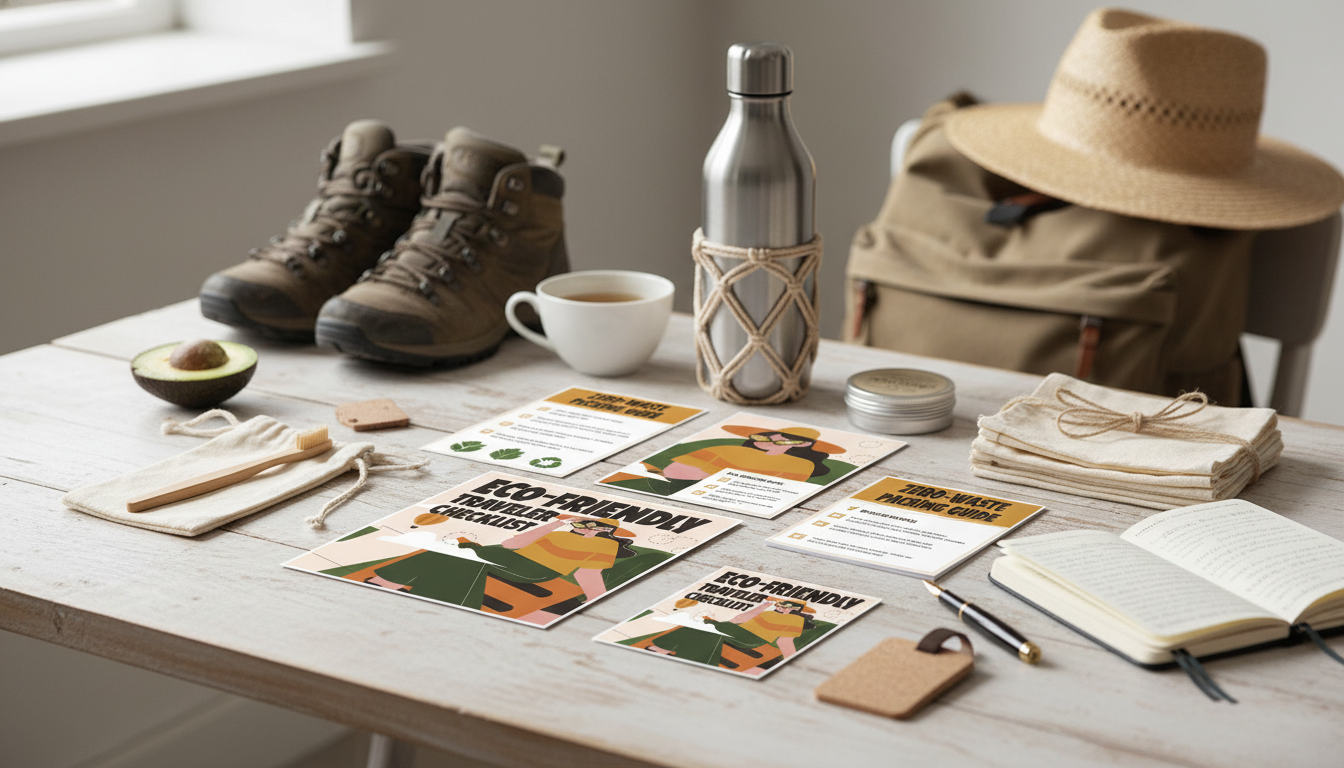
Eco-Friendly Traveler Checklist: A Practical Guide to Sustainable, Low-Waste Trips
Small choices made before and during a trip can reduce waste, lower emissions, and support local communities—without making travel feel complicated. The easiest approach is a checklist: plan once, pack smarter, and rely on a few repeatable habits that work for weekend getaways, work travel, or long-haul itineraries.
What eco-friendly travel looks like in real life
Eco-friendly travel is less about “perfect” decisions and more about stacking practical wins. A sustainable trip typically includes a mix of transportation choices, mindful packing, and respectful behavior in the places you visit.
- Choosing lower-impact transportation when possible (walking, cycling, rail, or a direct flight instead of multiple connections).
- Staying in places that conserve energy and water, and following local guidelines for nature and cultural sites.
- Packing reusables to avoid single-use items, and minimizing what gets purchased on the road.
- Spending in ways that support local economies (locally owned stays, tours, and restaurants).
- Following “leave no trace” basics: take trash out, stay on marked trails, and avoid disturbing wildlife.
For a broader view of what “sustainable tourism” can include at a destination level, see the UN Environment Programme’s overview of sustainable tourism: https://www.unep.org/explore-topics/resource-efficiency/what-we-do/sustainable-tourism.
Pre-trip checklist: plan once, waste less
Most travel waste happens because decisions are made under pressure—at the airport kiosk, in a convenience store, or after a long day when “whatever is easiest” wins. A few pre-trip steps prevent those last-minute purchases.
- Pick the lightest itinerary that meets the goal: fewer stops can mean fewer transfers, less packaging, and less impulse buying.
- Book smart: consider rail/bus for regional trips; if flying, prefer nonstop flights and pack light to reduce weight.
- Choose lodging with practical sustainability signs (towel/linen opt-in, recycling/compost access, refillable toiletries, efficient heating/cooling).
- Create a “refill map” before leaving: grocery stores, water refill stations, pharmacies, and laundromats near the stay.
- Set a “reusables ready” station at home (bottle, mug, cutlery, bags, chargers) so nothing gets forgotten last minute.
- Check local rules: recycling/compost norms, protected areas, and water safety (so the right filtration/refill approach is used).
If you need a quick refresher on the basics of cutting waste day-to-day (which translates well to travel), the U.S. EPA’s guidance is a solid reference: https://www.epa.gov/recycle.
Zero-waste packing list (carry-on friendly)
A low-waste travel kit doesn’t have to be bulky. Start with a few high-impact items, then add “support tools” only if they’ll realistically get used on your route.
- Start with the highest-impact swaps: water bottle + filter option, reusable bag, and reusable food container.
- Choose multipurpose items: a scarf that works as a layer, towel, or beach wrap; soap bars for body and laundry; solid toiletries to reduce liquid restrictions.
- Pack for rewearing: neutral layers, quick-dry fabrics, and a small laundry kit reduce overpacking.
- Bring a compact “repair + care” kit to keep items in use (mini sewing kit, safety pins, stain remover stick).
- Keep reusables accessible in transit (outer pocket) to prevent last-minute single-use purchases.
Reusable essentials and when they pay off most
| Item | Best for | Simple tip |
|---|---|---|
| Refillable water bottle | Airports, day trips, transit days | Pair with a small filter if tap water is uncertain |
| Foldable tote or shopping bag | Groceries, souvenirs, beach days | Keep one in a jacket pocket or personal item |
| Reusable cutlery or spork | Takeout, street food, train rides | Choose a lightweight set with a small case |
| Food container | Leftovers, markets, snacks | A flat, leak-resistant container doubles as a plate |
| Solid soap/shampoo bar | Short or long trips | Use a breathable tin or soap bag to dry between uses |
| Small laundry kit | Longer trips, minimalist packing | Bring a sink stopper + travel clothesline |
Low-waste habits while traveling
Once you’re on the road, the goal is simple: prevent single-use items from being added by default and make refilling the easiest option.
For lodging and tour signals that go beyond marketing buzzwords, the Global Sustainable Tourism Council’s criteria are a helpful benchmark: https://www.gstcouncil.org/gstc-criteria/.
Transportation and emissions: practical choices without perfectionism
How to use a downloadable checklist so it actually gets used
Eco-Friendly Traveler Checklist digital download
If you want the whole system in one place—planning prompts, a zero-waste packing list, refill reminders, and easy “don’t forget” cues—use the Eco-Friendly Traveler Checklist digital download. It’s designed for repeat trips, so you can keep improving your routine without rethinking everything every time.
- Mindful Clarity: Journal & Prompts for quick reflection, gratitude, and resetting when travel days get stressful.
- Modern Etiquette Micro-Course for respectful communication (useful when navigating cultural differences, group trips, and reservations).
FAQ
What is an example of eco-friendly travel?
An example is taking a train for a regional trip, staying at lodging that supports towel/linen reuse and recycling, carrying a refillable bottle and tote, eating at locally owned restaurants, and skipping single-use plastics by using your own container and cutlery.
What should be on a zero-waste packing list for travel?
Include core reusables (water bottle, tote, food container, and cutlery), low-waste toiletries (solid bars or refillables), a small laundry/repair kit, and a refill plan for water and essentials. Focus on multipurpose items and packing for rewearing to avoid overpacking and extra purchases.











Leave a comment