Low Self-Esteem in Kids: Key Signs and Support Tips
What are signs of low self-esteem in kids?
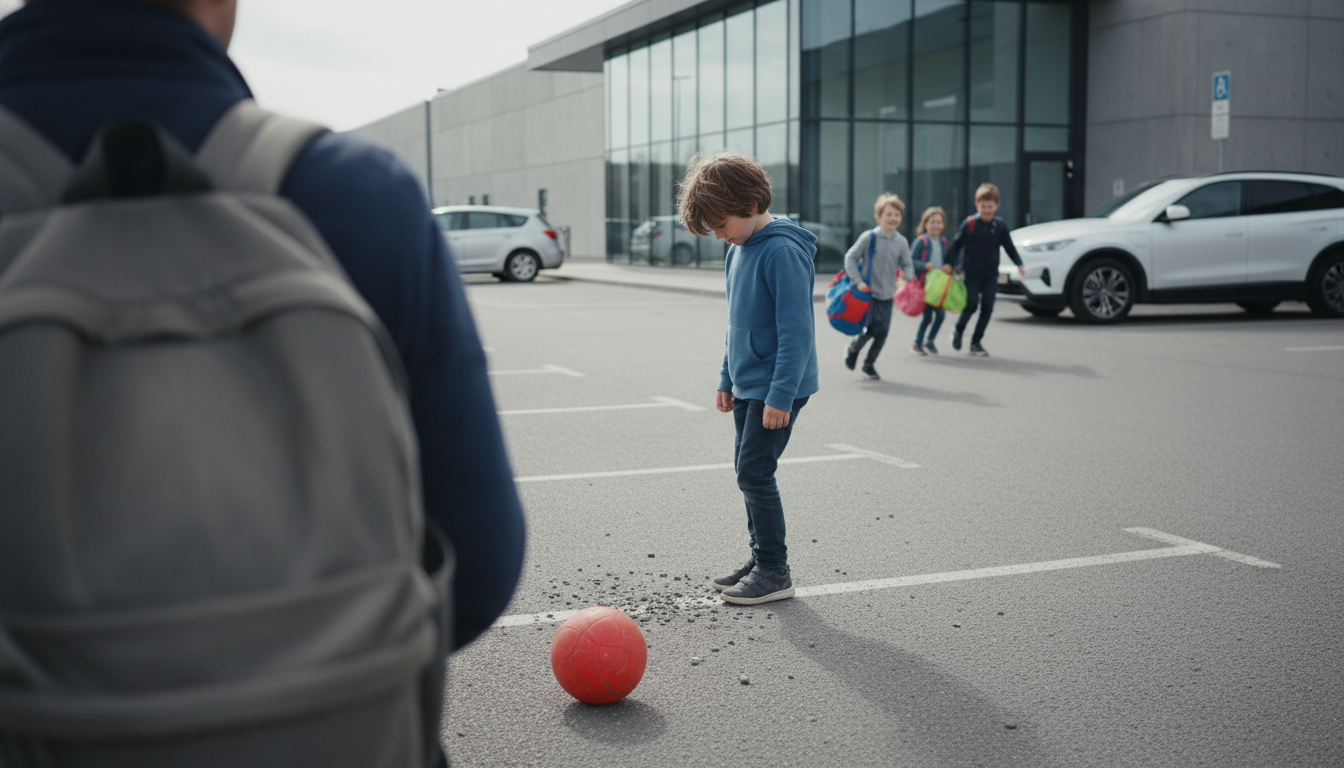
Low self-esteem in kids often shows up in small, repeatable patterns rather than one big moment. A child may seem capable in some settings yet shrink back in others, especially when they worry about making mistakes or being judged. Watching for clusters of behaviors over time can help you respond early and gently.
Common emotional and behavioral signs
Many kids with low self-esteem are unusually hard on themselves. You might hear frequent negative self-talk like “I’m bad at this” or “Nobody likes me,” even after reassurance. Some children avoid trying new activities, quit quickly, or melt down when something isn’t perfect. Others may constantly ask if they did something “right,” needing repeated approval to feel safe.
Social signs you may notice
In social situations, low self-esteem can look like withdrawing, hanging back at the playground, or struggling to join group games. Some kids become “people pleasers,” agreeing to things they don’t want just to keep the peace. On the flip side, a child may act bossy, argumentative, or overly silly to cover insecurity—especially if they fear being left out.
School and skill-building clues
At school or during learning activities, kids with low confidence may avoid challenging work, refuse help, or say “I can’t” before they start. They may compare themselves to siblings or classmates and assume they’re “the worst.” Perfectionism can also be a sign: erasing repeatedly, tearing up work, or getting upset over small errors.
How to support your child without pressure
Start by naming effort rather than outcomes: “You kept trying,” “You were patient,” “You practiced.” Offer choices that let your child feel capable (“Do you want to start with the easy puzzle or the tricky one?”) and build predictable routines that reduce stress. If you’d like practical, calm tools designed for young kids, explore the Confident Kids Bundle guide for age-appropriate ways to strengthen confidence through everyday moments.
FAQ
How can I build my child’s confidence at home?
Create small “wins” each day, like simple responsibilities they can master, and praise specific effort. Practice coping phrases (“I can try again”) and model self-kindness when you make mistakes so your child learns it’s safe not to be perfect.










Leave a comment