Budgeting Systems That Work: Zero-Based, 50/30/20 + PPF

Budgeting Like a Pro: A Practical System for Zero-Based Budgets, 50/30/20, and Pay-Yourself-First
A budget works best when it’s a repeatable system: clear categories, a simple rule for every dollar, and a routine that keeps you consistent. This guide walks through three popular methods—zero-based budgeting, 50/30/20, and pay-yourself-first—then shows how to connect them to debt payoff, savings goals, and a realistic monthly workflow.
Start with a clean snapshot of your money
Before choosing a method, get one accurate picture of what’s coming in and what’s going out. This step prevents the most common budgeting frustration: building a plan on numbers that don’t reflect real life.
- List all monthly income sources using take-home amounts (paychecks, side income, benefits), not gross pay. If income varies, use a conservative baseline and treat extra income as a separate “bonus” line.
- Write down fixed expenses first (rent/mortgage, insurance, minimum debt payments, subscriptions) and confirm due dates so your plan matches the calendar.
- Estimate variable essentials (groceries, gas/transportation, utilities) using the last 2–3 months of statements so you’re not guessing.
- Identify “financial leaks” (auto-renewals, impulse categories, unused memberships) and flag them for quick wins—small cuts create breathing room fast.
- Choose one place to track the plan (spreadsheet, printable pages, or an app). Duplicating systems usually creates conflicting numbers and burnout.
If you want a straightforward starting point, the CFPB budgeting resources offer practical tools and definitions that help you organize categories without overcomplicating it.
Pick a budgeting method that matches your personality and pay schedule
The “best” budget is the one you’ll actually run each week. Choose a method that fits your decision style and the way you get paid—then customize it as needed.
- Zero-based budgeting assigns every dollar a job; it’s ideal for variable income, aggressive debt payoff, or rebuilding after overspending.
- 50/30/20 is a simpler framework; it works well when income and bills are stable and categories are already predictable.
- Pay-yourself-first prioritizes savings/investing automatically; it’s great when consistency is the main challenge.
- A hybrid often works best: automate savings first, then run the remainder through a zero-based plan.
- If you’re paid biweekly, build a repeatable “paycheck plan” (a mini-budget per payday) rather than waiting for a monthly reset.
Budgeting methods at a glance
| Method | Best for | How it works | Watch-outs |
|---|---|---|---|
| Zero-based budgeting | Tight cash flow, variable spending, fast goals | Income minus expenses equals zero; every dollar is assigned | Needs frequent check-ins; can feel strict without flexible categories |
| 50/30/20 | Stable income, quick setup | 50% needs, 30% wants, 20% saving/debt | Percentages may not fit high-cost areas or debt-heavy seasons |
| Pay-yourself-first | Building savings habits | Automate saving/investing first, then spend the remainder | Requires knowing minimum bills so automation doesn’t cause overdrafts |
Build a zero-based budget that doesn’t break in real life
Zero-based budgeting is powerful because it forces clarity. It’s also the method most likely to fail if it’s too rigid. The fix is building categories that anticipate real-world surprises.
- Create categories for essentials, true expenses (irregular but predictable costs), debt, savings, and fun money.
- Add “true expense” sinking funds (car repairs, gifts, annual fees, school costs) so surprises become planned expenses.
- Use a buffer category to handle small overages without blowing up the entire plan.
- Set category caps that match your goals, then track weekly instead of waiting until month-end to find out you’re off course.
- When spending changes, reassign dollars deliberately (move money from one category to another) rather than hoping it evens out.
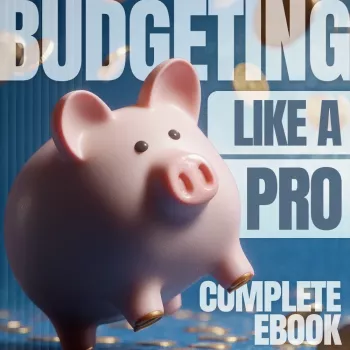
For a more structured printable approach, Budgeting Like a Pro: Complete eBook – Personal Finance Planner is designed to help you run zero-based, 50/30/20, and pay-yourself-first side by side—especially useful if you want one consistent system you can reuse every month.
Apply 50/30/20 without feeling boxed in
The 50/30/20 approach is a framework, not a judgment. The value is in quick alignment: you can see whether “needs” are crowding out savings, or whether “wants” are quietly consuming the margin you need for goals.
Pay-yourself-first: automate the wins (savings plan + investing basics)
If you want a calmer money mindset while you’re tightening habits, pairing a budget with a reflection routine can help. Mindful Clarity: Journal & Prompts can support intentional spending by helping you notice triggers, reset after slip-ups, and stay focused on your why.
Debt payoff: choose a strategy and make it measurable
If your take-home pay shifts due to withholding changes, updating your expectations prevents budget whiplash. The IRS Tax Withholding Estimator can help you anticipate paycheck changes so your plan stays realistic.
A simple monthly routine that keeps the plan on track
For additional free education on budgeting and healthy money habits, the FDIC Money Smart program is a reliable, practical resource.
FAQ
What is a zero-based budget in plain terms?
It means you assign every dollar of income to a category—bills, food, savings, debt, and fun—until there’s zero left unassigned. It doesn’t mean you spend everything; savings and extra debt payments are categories too.
Can 50/30/20 work if bills take more than 50% of take-home pay?
Yes. Use a temporary split (like 60/20/20), then focus on the biggest levers—housing, car costs, and debt—to move back toward the guideline over time.
Should savings or debt come first?
Start with a small emergency fund, then prioritize high-interest debt while continuing modest automated savings. If you have an employer retirement match, contributing enough to get the match is often a priority while you pay down debt.











Leave a comment